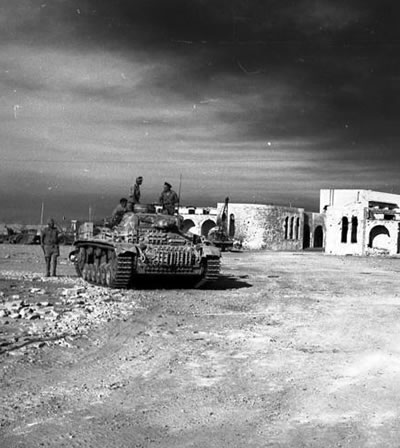
In June 1942, during World War II, the city of Tobruk, Libya fell to Axis forces. At the end of 1941, Allied forces had liberated Tobruk. Axis troop retreated to Gazala, and then to El Agheila. Rommel then reorganized his forces in order to improve communication between artillery, infantry and armored forces. He then redirected …
Author Archives: M Malory
Tanks During and After the Breakup of Yugoslavia
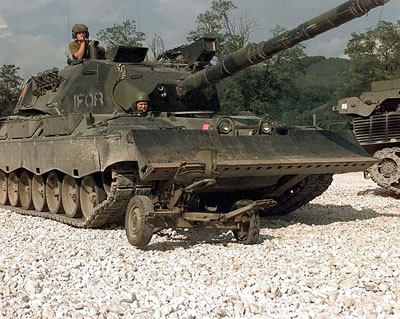
After World War II, Yugoslavia was created as a communist state. It was part of the Soviet bloc. The nation consisted of many different religious and ethnic groups, held together by their alliance with the Soviet Union. After the USSR collapsed, religious and ethnic rivalries came to the fore, resulting in many conflicts, and ultimately, …
Continue reading “Tanks During and After the Breakup of Yugoslavia”
Tanks During the First Gulf War
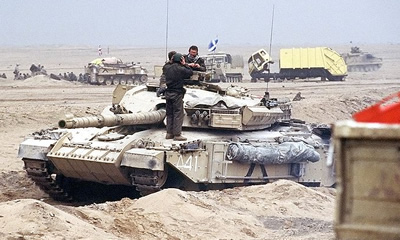
The First Gulf War, or First Persian Gulf War, which lasted from August 1990 to February 1991, was a reaction to the Iraqi invasion and annexation of Kuwait. A coalition force, led by the United States, fought to liberate Kuwait. During the First Gulf War, Coalition forces had significantly more advanced levels of military technology …
Tanks of Israel – From Independence Through the Yom Kippur War
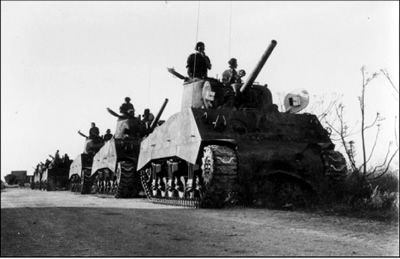
Ever since the North African operations of World War II, desert terrain has proven to be ideal for tank warfare. Therefore, it is no wonder that in the early decades of Israel’s existence, tanks played an increasingly important role in the many conflicts between Israel and its Arab neighbors. When Israel first gained independence in …
Continue reading “Tanks of Israel – From Independence Through the Yom Kippur War”
SK 105 Kürassier Light Tank
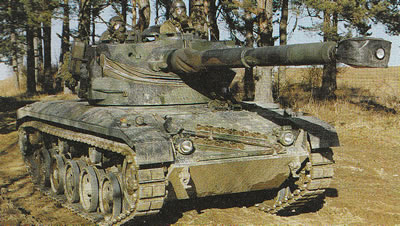
The SK 105 Kürassier light tank was designed to be a mobile anti-tank vehicle that the Austrian army could use in difficult terrain. The Austrian army classifies it as a Jagdpanzer (tank destroyer). It is based on the Saurer 4K 4FA Armored Personnel Carrier. In 1967, the first prototype of the SK 105 Kürassier was …
World War II – Battle of Stalingrad
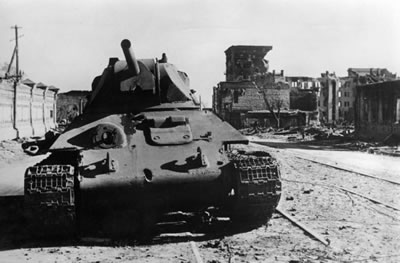
The Battle of Stalingrad during World War II was one of the bloodiest battles in history, resulting in almost two million casualties. Ultimately resulting in a German defeat, it is often considered the turning point of the war in Europe. After Operation Barbarossa, fighting between Germany and the Soviet Union continued, with the Soviets driving …
Tanks During the Cold War
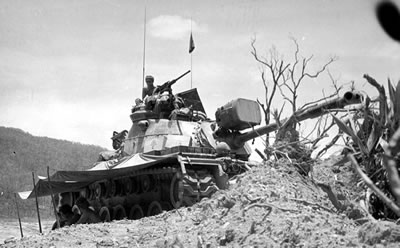
After World War II ended, an “Iron Curtain” across Europe divided the continent between Western and Soviet spheres of influence. Political and ideological differences led to an enormous amount of mistrust between the two sides. Both sides had large stockpiles of weapons that had been produced during the Second World War. During the Cold War, …
World War II – Operation Crusader
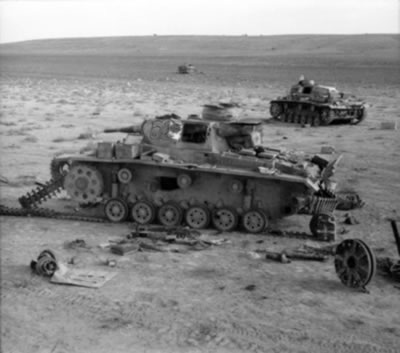
Operation Crusader was a British military operation in North Africa during World War II that resulted in the liberation of Tobruk, Libya from Axis forces. Tobruk had been under siege since April 1941. During Operation Crusader, the British had the advantage of a large reserve of tanks, while the Germans had the advantages of superior …
Stingray Light Tank
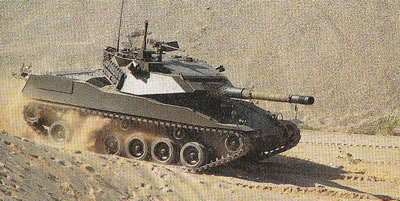
The Stingray light tank is an American tank that was built for export. It has only ever been used by the Royal Thai Army. The Stingray was designated as private venture by the American company Textron Marine and Land Systems (formerly Cadillac Gage Textron). In 1985, the first prototype of the Stingray was completed. The …
K1 Main Battle Tank
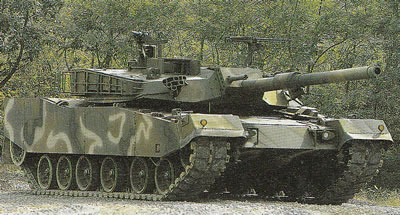
South Korea’s K1 main battle tank, sometimes known as the Type 88 or the ROKIT (Republic of Korea Indigenous Tank), was developed by Chrysler (now General Dynamic Land Systems), the company that designed and built America’s M1 Abrams MBT. The first prototype of the K1 main battle tank was finished in the United States in …
Type 90 Main Battle Tank
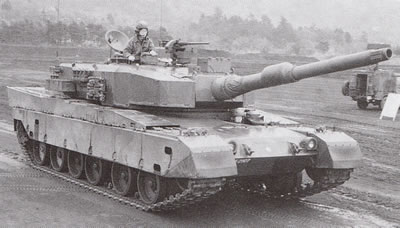
Japan’s Type 90 Main Battle Tank is the main battle tank of the Japanese Ground Self Defense Force (JGSDF). It was a replacement for the Type 74 MBT. Although the Type 90 main battle tank and all of its components, except for the main gun, were designed entirely in Japan, the tank bears similarities to …
Type 99 Main Battle Tank
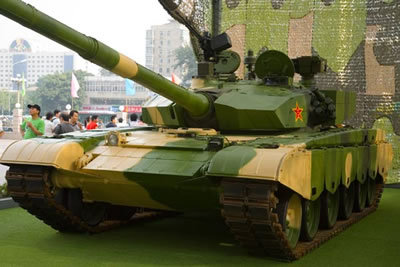
China’s Type 99 main battle tank, also known as the ZTZ99 main battle tank, was designed to be a match for modern western tanks. In the 1990s, China began working on an improved version of the Type 90 main battle tank, which was developed as part of a joint project with Pakistan to create a …